

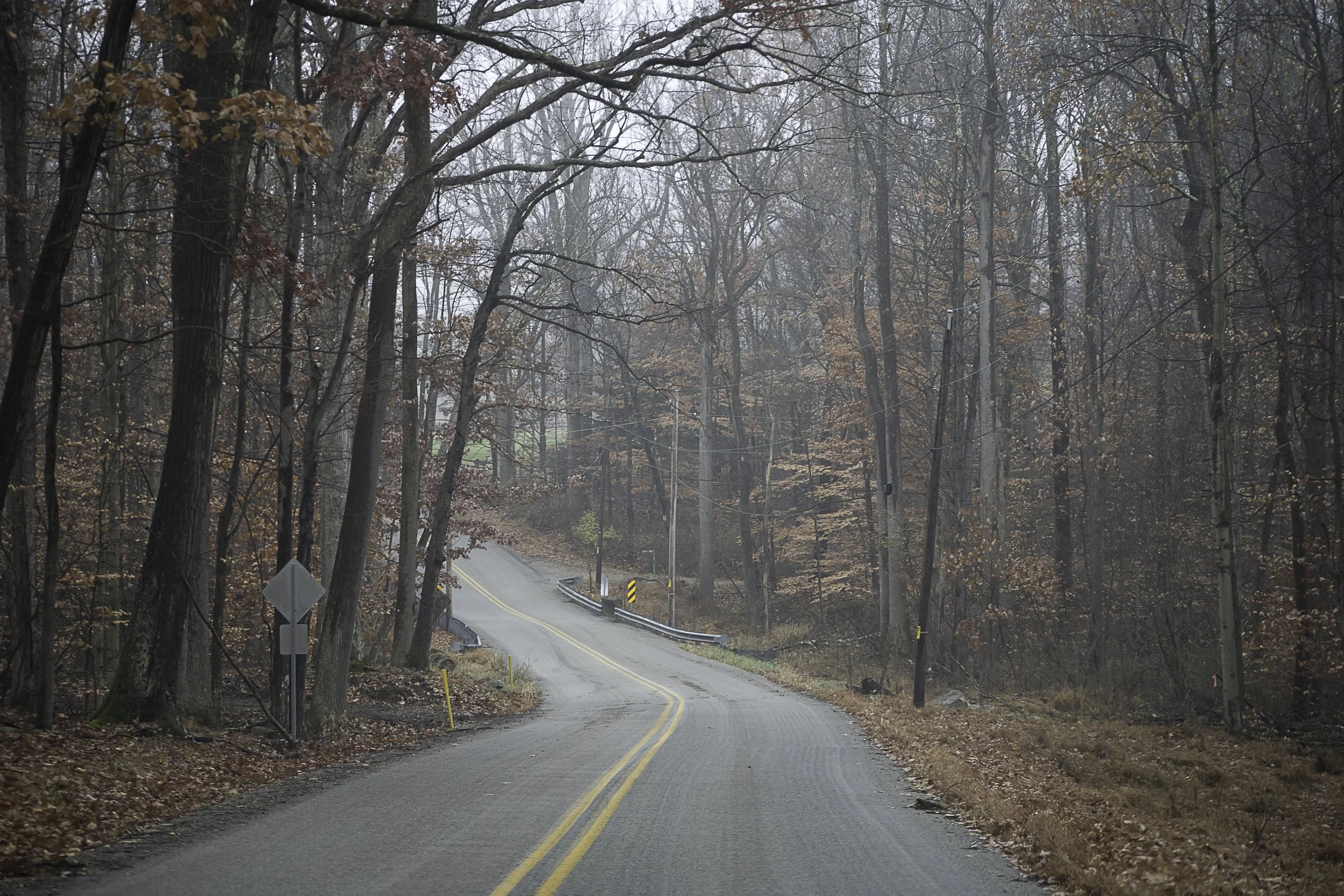
We pass places like this every day. A road disappearing through the trees, an aging structure just beyond our attention, or traces of something that once stood where nature has begun to take over. Most of the time, we are focused on where we're going rather than what surrounds us. The Overlooked Lowcountry began with the decision to stop and look.
When people think of the South Carolina Lowcountry, certain images often come to mind: historic Charleston, sprawling live oaks draped in Spanish moss, marshes glowing beneath a sunset, and familiar coastal landscapes. Those places are undeniably beautiful, but they represent only one part of this region.
Another Lowcountry exists beyond those familiar scenes.
It exists along rural roads, at the edges of fields, behind overgrown vegetation, and in structures that have weathered decades of heat, storms, and changing seasons. These are places that may never appear on a postcard. Some are passed hundreds of times without a second thought. Yet they carry their own history, character, and beauty.
That quieter landscape is what drew me to create The Overlooked Lowcountry.
Learning to Notice
Photography has taught me that an interesting subject does not always announce itself.
Sometimes it is the way light falls across weathered wood. Sometimes it is an old fence slowly disappearing beneath vegetation or a road winding through trees on a foggy morning. Other times, it is simply the relationship between something human-made and the landscape that has continued growing around it.
I’m drawn to those moments because they show the passage of time without needing to explain it.
The photograph opening this Journal entry is a good example. Nothing traditionally extraordinary about the scene. It is a road through the woods, the kind of place someone might drive through while thinking about everything except the landscape outside the window.
But when I stopped to look closely, more was happening.
The road curves and disappears into the distance. Trees surround it, while utility poles, wires, signs, pavement, and guardrails interrupt the natural landscape. The atmosphere softens everything farther down the road, leaving us unable to see exactly where it leads.
It is an ordinary place, but it doesn't feel insignificant.
Beauty Doesn't Have to Be Perfect
Much of my work is rooted in the relationship between beauty and imperfection. I am interested in what happens when something beautiful also carries evidence of change, age, loss, or human presence.
That is especially visible throughout the Lowcountry.
Nature here is persistent. Vegetation grows around fences and structures. Wood changes with exposure to the elements. Roads cut through forests while trees continue growing along their edges. Things are built, altered, abandoned, reclaimed, and sometimes almost completely erased.
Rather than removing those imperfections from my photographs, I want to notice them.
They are part of the story.
Preserving What We Might Otherwise Forget
Photographing these places also feels like preservation.
Landscapes change. Buildings disappear. Trees fall. Roads are widened. Land is cleared and developed. Something that seems ordinary enough to ignore today may look completely different years from now.
A photograph gives that moment a place to remain.
The Overlooked Lowcountry isn't an attempt to document every forgotten corner of South Carolina. It is much more personal than that. It is about paying attention to the places that make me stop, the places where light, texture, nature, history, and time briefly come together.
And perhaps that is what I hope viewers take from the series as well.
You don't always have to travel somewhere extraordinary to find something worth seeing.
Sometimes you simply have to slow down long enough to notice what has been there all along.
— Danniell Sineath
